THE HARD QUESTIONS
Objections, steelmanned.
We state each objection in its strongest form, with its best-credentialed proponent named, and answer it with evidence. Some of it we can answer well. Some of it stays honestly open – this is where you'll catch us if we're wrong. Quotes are kept short and attributed; where a number appears, it links back to its source.
The eleven objections
The twelfth objection
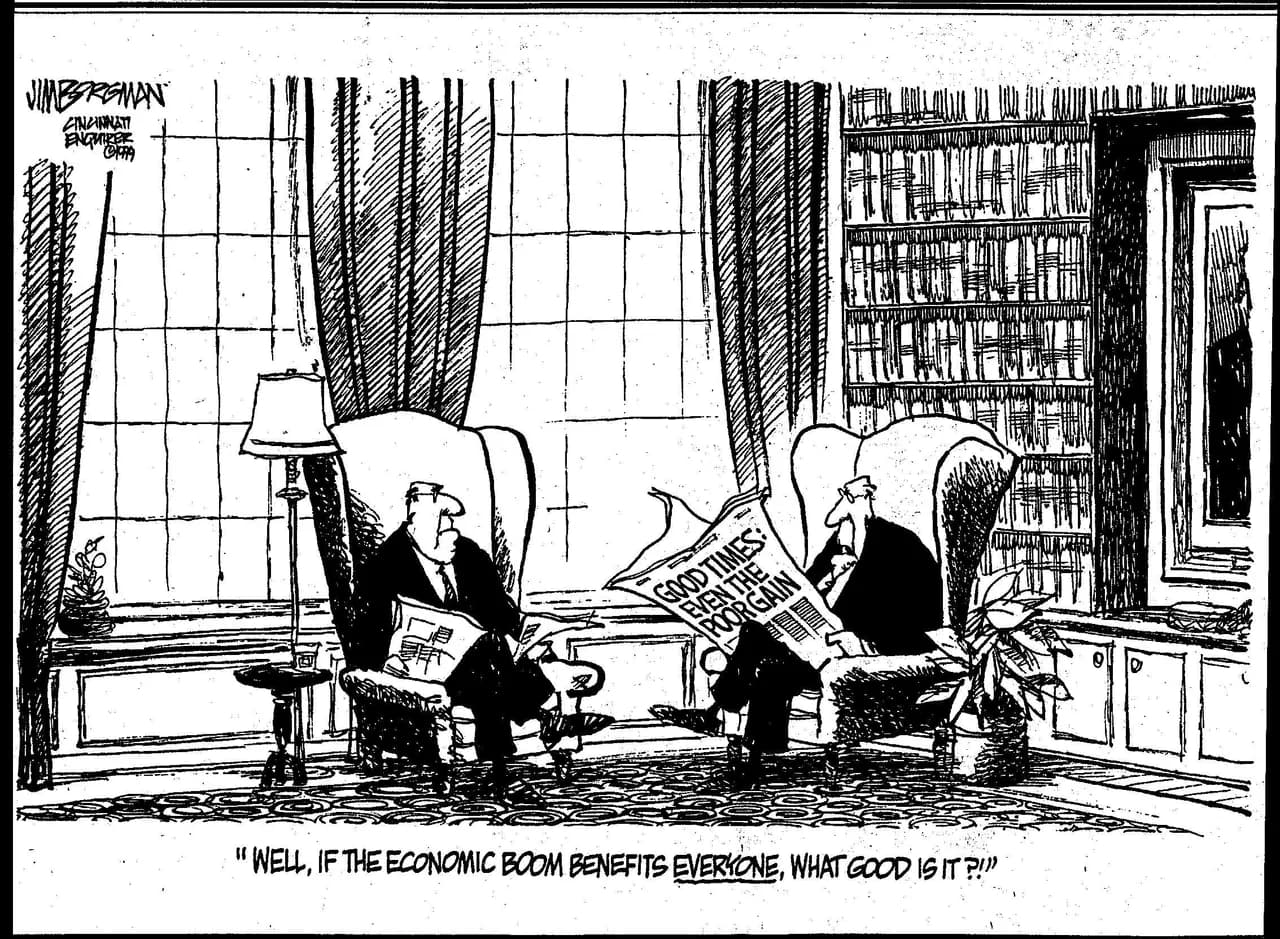
“If it benefits everyone, what good is it?”
The eleven objections above are arguments, and they deserve arguments back. This one is an interest. It is almost never said out loud, and it explains better than any of the others why a plan this dull has stayed out of reach for so long.
Steelman – the retirement industry
A universal, pooled, indexed retirement fund is a bad quarter for a large and entirely legitimate business. Every dollar of ordinary retirement money that runs through one statutory total-market index fund is a dollar that does not run through a retail mutual fund, an annuity, a wrap account, or an advisory fee. That industry employs a great many people, provides real services, and has every rational reason to prefer the arrangement that exists. It also has the resources and the standing to be heard on it, which is not corruption – it is how the process works.
Honest answer
The thing being defended is the cost. Indexing at institutional scale runs about 0.02% a year; a typical retail fund ran about 1.12% (as of 2017). That gap is not a fee schedule, it is somebody’s revenue and somebody else’s retirement, and over a working lifetime it is the difference between the market’s return and a fraction of it. John Bogle measured what the fraction looked like in practice: from 1983 to 2003 the whole market returned 13.0% a year, the average mutual fund 10.3%, and the average fund investor 7.9%. An objection that a reform benefits everyone is not an objection to the reform. It is a statement about who was doing better before.
“It's amazing how difficult it is for a man to understand something if he's paid a small fortune not to understand it.”
What remains open
Motive is not refutation. That an industry has a reason to dislike this plan proves nothing about whether the plan works – and the eleven objections above come mostly from academics and public officials with no stake in the answer at all. The argument from interest explains why a sound idea can sit unmoved for decades. It never establishes that the idea is sound. That case has to be won on the arithmetic, which is the only case this site tries to make.
Where the critics are still right
Three things we concede.
Investment shrinks the funding gap. It does not erase it – independent modeling finds a Cassidy–Kaine-style investment fund alone still misses full solvency in roughly 64–70% of simulated futures without the rest of this plan’s measures. We agree, and we don’t sell equity returns as a complete fix on their own.
Nothing has been tried at this scale before. The scale objection above is an honest open question, not a solved one, and modeling the fund’s path against the size of the market it would own is flagged for future work, not buried.
Congress’s own lockbox record from 1983 to 2009 was poor. That is exactly why this plan’s governance design borrows from the two funds that actually held the line – arm’s-length, outside the ordinary borrowing circuit, and reviewed on a fixed public schedule.
Two quotes I keep close
“You can't change a system using the thinking that created it.”
“The great enemy of truth is very often not the lie – deliberate, contrived and dishonest – but the myth – persistent, persuasive and unrealistic.”
Still skeptical? Good.
Read why this plan is not privatization, or run your own birth year against 155 years of market data and judge the arithmetic yourself.